A family character passed down with tenacity, and six terroirs that shape the style of our wines.
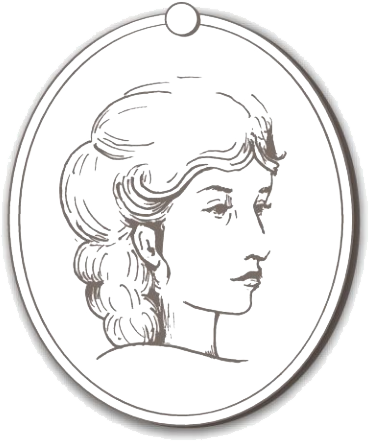
Rosa was born in Chablis. Passionate about photography and nature, nothing particularly destined her for winemaking, apart from a deep attachment to the family heritage. Her tenacity and consistency led her to take over the old estate and adapt the family's vines to express, all the way to the bottle, the full potential of their terroir.
The cellar Rosa built stands in La Chapelle-Vaupelteigne, a charming village near Chablis. This is where the estate's cuvées are still born today — pressing, fermentation and ageing, with the strictest respect for the fruit and the terroir.
The great passion that Rosa and her grandchildren bring to their terroir and their work has allowed the estate to achieve some of its most ambitious results, internationally recognised for the high quality of its wines. The estate's success rests on experience and knowledge of the terroir, passed down from generation to generation.
Today, Rosa's family, alongside Frédéric, carries on this beautiful story. All of the estate's vines are cultivated using a sustainable approach, certified High Environmental Value level 3: ploughing that activates soil life, partial grass cover, and exclusively natural fertilisers and treatments.
From Rosa to Frédéric, by way of Céline, each generation has added its own contribution: the choice of plots, the rigour of winemaking, and today, environmental commitment.
This continuity, more than anything else, shapes the style of the estate's wines — a freshness and precision found time and again, cuvée after cuvée, vintage after vintage.
The estate is planted mainly with Chardonnay, classified under the Chablis appellation, on the clay-limestone hillsides of the Kimmeridgian that surround the village of Chablis, on both sides of the Serein valley. A few kilometres away, the estate also cultivates around ten hectares spread across two other soil types, rich in limestone deposits.
The estate cultivates all of its plots using a sustainable approach, certified High Environmental Value level 3.
Ploughing activates the soil's organic and microbial life. Partial grass cover is maintained on certain plots to preserve biodiversity and limit erosion.
Only natural fertilisers and treatments are used against vine diseases, in constant respect for the terroir and living ecosystem.
Precise, respectful winemaking, designed to preserve the freshness and minerality of our terroirs.
A long, delicate pressing, followed by roughly twenty hours of cold settling.
Alcoholic fermentation takes place between 16 and 18 °C, with indigenous yeasts.
Malolactic fermentation is carried out on fine lees, from November to mid-April.
Light fining and earth filtration before bottling at the estate, in temperature-controlled stainless steel tanks.